
Why the Bar May Be Responsible for a Loved One Killed by a Drunk Driver
Aug. 23, 2023
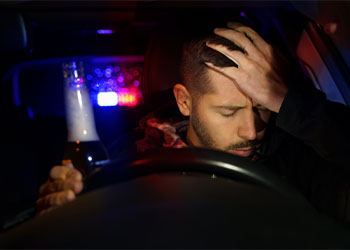 Driving under the influence (DUI) is a crime in every state, and all states except Utah judge a driver to be under the influence if his or her blood alcohol content (BAC) is 0.08 percent or higher; Utah is lower (at 0.05 percent). If police are able to stop someone before they cause harm, that’s good news. However, the National Highway Traffic Safety Administration (NHTSA) reports that, on average, 37 people die each day in drunk-driving crashes — about one every 39 minutes.
People react to alcohol consumption differently, but at 0.08 percent, the effects become somewhat dramatic. Most people begin to lose balance, judgment, awareness of danger, and self-control. These changes can significantly affect driving ability, including reduced information processing, slower visual search, and impaired overall perception.
Obviously, someone driving under the influence who causes property damage and personal injury can be held personally liable, not only through their insurance coverage but also through a personal injury or wrongful death lawsuit. But what about the establishment or individual who served them too much alcohol? Can they be held liable?
Most states, including Washington, have both dram shop laws and social host laws. Dram shop laws cover establishments that sell or serve alcohol, such as restaurants, bars, and liquor stores. Social host laws cover individuals who, for instance, hold a party at which a guest gets too drunk before driving off and causing injury.
If you or a loved one has been injured in a drunk driving incident in or around Seattle, Washington, contact me at Lake Union Law Group PLLC.
What Is a Dram Shop Liability Law?
A dram is a unit of measure of alcohol served in a bar or other establishment. The term isn’t commonly used today; “shot” or “ounce” are more familiar measurements. Dram shop laws, however, refer to holding liquor-providing establishments accountable if a patron over-consumes and goes on to injure or kill others through their driving.
In Washington, there are two types of dram shop law liability cases: first-person and third-person. A first-person dram shop liability case is possible when a bar or liquor store sells alcohol to a minor who then goes on to be injured because of their consumption. A third-person case can be brought when an establishment sells liquor to an already-intoxicated person who goes on to injure others or cause a fatality through their impaired driving.
Under Washington’s dram shop liability law, establishments that serve liquor, therefore, have three obligations:
Never serve minors.
Never serve anyone whom the establishment knows, or reasonably should know, is intoxicated.
Stop serving someone who becomes obviously intoxicated and take reasonable steps to prevent foreseeable harm.
Social Host Liability Law in Washington
Washington’s social host liability law covers individuals, not commercial establishments, who host parties, for instance, and serve alcohol. In general, social hosts are not liable when adult guests consume too much alcohol. However, they may be held responsible for serving alcohol to minors who later injure themselves or others.
Recoverable Damages and Proving Your Case
In any personal injury or wrongful death lawsuit, the victim or family is entitled to both economic and non-economic damages. Economic damages may include medical bills, funeral expenses, lost wages after an injury, and loss of financial support in wrongful death cases. Non-economic refers to pain and suffering and loss of consortium (companionship).
In Washington, the statute of limitations is generally three years from the date of injury or death to file a personal injury or wrongful death lawsuit.
If you’re looking to take action against a bar or restaurant that served the at-fault driver, then you need to gather evidence. This may include video footage from the establishment or testimony from others who were present, including those who were with the driver before the incident.
Your Rights After a Loved One Passes
If you lose a loved one in a drunk-driving incident, it is possible to file a wrongful death lawsuit, but Washington law states that the decedent’s personal representative must file the lawsuit on behalf of the spouse, parents, or other family members. There are limited exceptions, including situations involving unmarried minors without children.
A personal representative, also called an executor, is the person named in the decedent’s will to manage their estate when they’re gone. If there is no will, the court can name a personal representative, usually from among family members.
Let Me Be Your Voice
When you’ve lost a loved one, or you or a loved one has been injured because of someone’s over-indulgence in alcohol, you need the best legal guidance and advocacy you can find. In Seattle and Western Washington, contact me at Lake Union Law Group PLLC. I will aggressively pursue every legal option to get you the just compensation you deserve.