
How Washington Parents Can Pursue Justice After a Birth Injury
Feb. 26, 2025
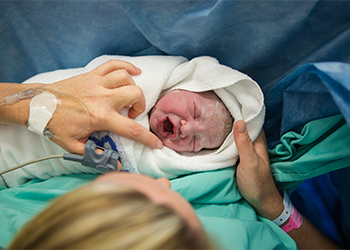 The birth of a child should be one of the most joyful moments a family experiences. When a birth injury occurs, that joy is replaced almost immediately by fear, grief, and unanswered questions, including the one that's hardest to ask: did someone cause this?
Medical negligence during labor and delivery is more common than most people realize, and its consequences can follow a child for life. As a Seattle medical malpractice lawyer, I represent families throughout Western Washington who are trying to understand what happened and whether they have legal recourse.
KEY TAKEAWAYS
A birth injury is not automatically the result of negligence, but when a medical team failed to meet the standard of care during labor or delivery, a legal claim may be viable.
These cases hinge on medical records and expert testimony. Securing records early and working with an attorney who knows what to look for in them is essential.
Washington's filing deadlines are strict, and certain procedural steps must be completed before suit can even be filed. The earlier you consult an attorney, the more options you have.
What Qualifies as Medical Negligence in a Birth Injury Case?
Not every birth injury is the result of negligence. Labor and delivery carry inherent risk, and complications can occur even when a medical team does everything correctly. What separates a negligence case from an unavoidable outcome is a failure to meet the standard of care.
In the context of childbirth, that failure can take many shapes. A team may fail to recognize or respond to signs of fetal distress. A provider may use excessive force during delivery, causing nerve or bone injuries. A necessary C-section may be delayed past the point where damage could have been avoided. Infections present during labor may go unmanaged. Each of these situations, when they cause harm, can form the basis of a legitimate legal claim.
Birth Injuries That May Be Caused by Medical Negligence
Birth injuries vary depending on the nature of the medical negligence and the circumstances surrounding the delivery. Common birth injuries include:
Cerebral palsy: This condition affects muscle coordination and movement and can occur if the baby's brain is deprived of oxygen during birth due to improper handling or delays in delivery.
Erb's palsy: A condition that results from damage to the brachial plexus nerves, typically caused by excessive pulling on the baby's head or neck during delivery.
Shoulder dystocia and brachial plexus injuries: When a baby's shoulder becomes lodged during delivery, the medical team must respond immediately and correctly. Excessive force applied in that moment can stretch, compress, or tear the nerves controlling movement in the arm and hand, sometimes causing permanent impairment.
Fractures: Broken bones, such as broken clavicles, are sometimes caused during difficult deliveries or the improper use of force during the birthing process.
Brain damage: Lack of oxygen, infections, or physical trauma during birth can result in lasting brain injuries that affect a child's development.
Spinal cord injuries: Forceful or improper handling of the baby during birth can cause injury to the spinal cord, leading to paralysis or other serious complications.
These injuries can affect a child’s health and well-being for their entire life, and the consequences may not be fully realized until the child reaches an age when developmental milestones should be achieved.
How Do You Prove Medical Negligence in Birth Injury Cases?
Proving that medical negligence occurred in a birth injury case can be challenging. The first step is to establish that the healthcare provider involved in the delivery failed to meet the standard of care. To do this, you may need to provide evidence that:
The healthcare provider had a duty of care: Every medical professional has a responsibility to act in the best interest of their patients. This includes following proper procedures during labor and delivery.
The healthcare provider breached that duty: Medical records, expert testimony, and other evidence can help show that the provider failed to act as expected in the given situation.
The breach caused harm: The injury sustained by the child must be directly linked to the actions or inactions of the healthcare provider.
The injury resulted in damages: This includes physical, emotional, and financial damages that the parents and child suffer as a result of the birth injury.
Gathering documentation, such as medical records and expert witness testimony, is critical in a personal injury claim based on medical negligence. Having a qualified attorney who understands birth injury cases can greatly improve your chances of success.
The Importance of Expert Medical Testimony in These Cases
Medical professionals with experience in obstetrics and pediatrics can provide valuable information about whether the standard of care was breached and how the injury occurred.
They can also explain how the injury could have been prevented, demonstrating the connection between the healthcare provider’s actions and the harm done to the child.
For instance, an obstetrician may testify about the proper protocols for handling fetal distress, while a pediatric neurologist may explain how the birth injury led to cerebral palsy. Expert testimony strengthens the case and provides the court with the knowledge necessary to understand the medical aspects of the injury.
What Damages Parents Can Pursue
Washington law allows birth injury families to seek both economic and noneconomic damages. Economic damages cover the concrete financial costs: past and future medical treatment, surgeries, physical therapy, adaptive equipment, specialized care, and projected lifetime income loss if the child faces permanent disability. These figures can be substantial, and a thorough attorney will work with vocational and economic experts to present them accurately.
Noneconomic damages address the human cost — pain and suffering, loss of enjoyment of life, and the emotional burden carried by both the child and the family. In cases where a provider's conduct was particularly reckless, punitive damages may also be available.
The right recovery depends on the specifics of your situation, and an experienced attorney will build a complete picture of both present and future losses.
What to Do if You Suspect a Birth Injury Was Preventable
The most important first step is to consult with an attorney before drawing conclusions about what is or isn't actionable. These cases are highly fact-specific, and an early conversation can clarify a great deal without committing you to anything.
In the meantime, request complete copies of all medical records from the delivery and any prenatal and postnatal care. Document how the injury is affecting your child's development and your family's daily life. Keep records of every medical expense, therapy cost, and care-related purchase.
Washington law imposes strict deadlines on medical negligence claims, and certain procedural steps — including a required notice of intent before filing suit — must be completed on time. Acting early protects your options.
Speak With an Experienced Birth Injury Attorney
At Lake Union Law Group PLLC, I handle every case personally. If your child suffered a birth injury and you believe negligence may have played a role, I encourage you to reach out. I serve families in Seattle and throughout Western Washington, including Bellevue, Tacoma, Everett, and the Puget Sound area. Contact my office today to schedule a consultation.