
Nursing Home Negligence vs. Abuse: Legal Distinctions That Matter
Feb. 6, 2026
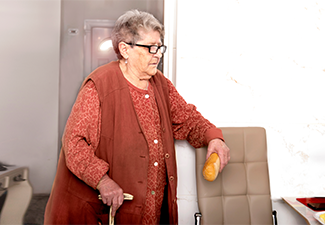 Caring for an aging parent or loved one is deeply personal. When you place someone you love in a nursing home, you’re trusting that facility with their safety, dignity, and daily well-being. When something goes wrong—an unexplained injury, sudden weight loss, or a change in behavior—it can hit you with a mix of guilt, anger, and fear.
At The Law Office of Dan N. Fiorito III, I understand that your loved one deserves respect and safe care, which is why I am here to provide compassionate legal guidance every step of the way.
If something feels off, it probably is. Reach out to my firm if you’re concerned and want to discuss what’s happening. I work with families throughout Seattle, Western Washington, the Puget Sound Area, Bellevue, Tacoma, and Everett who are facing concerns of nursing home negligence.
What's the Difference Between Nursing Home Negligence and Abuse?
While people often use the terms interchangeably, nursing home negligence and abuse aren’t the same under the law. The distinction matters because it affects how a claim is evaluated, what evidence is needed, and what outcomes may be available to you and your family.
Nursing home negligence usually involves a failure to provide reasonable care. It’s often tied to carelessness, understaffing, or poor training. Abuse, on the other hand, involves intentional acts that cause harm or distress. Both can lead to serious injuries, emotional trauma, and even wrongful death, but the legal approach differs.
Knowing which category applies helps clarify accountability. It also shapes how I help my clients move forward, whether that means pursuing a civil claim, reporting a facility, or taking steps to protect a loved one from further harm. If you’re unsure which applies, an experienced personal injury lawyer can help determine it based on the facts.
What Nursing Home Negligence Looks Like in Daily Care
Nursing home negligence often shows up in everyday routines rather than dramatic incidents. It’s about what staff fail to do, not necessarily what they deliberately do wrong. These patterns can be subtle at first, which is why families sometimes blame themselves for “missing the signs.” Here are common ways nursing home negligence appears in facilities across Washington:
Failure to prevent falls by ignoring mobility needs or safety plans
Missed medications or incorrect dosages
Poor hygiene leading to infections or skin breakdown
Untreated bedsores from lack of repositioning
Dehydration or malnutrition due to skipped meals or lack of monitoring
These issues usually point to systemic problems rather than one bad moment. Chronic understaffing, rushed care, and ignored care plans are frequent contributors. Nursing home negligence doesn’t require intent, but the harm to residents is very real.
When this pattern is documented, it can serve as the basis for a claim holding the facility financially responsible. That accountability can help cover medical costs and signal that substandard care won’t be tolerated. If you’re seeing repetition, it’s worth taking a closer look before the damage becomes permanent.
What Constitutes Nursing Home Abuse
Abuse is different because it involves intentional conduct. It may come from staff, other residents, or even visitors, and it often leaves both physical and emotional scars. Many victims can’t speak up due to fear, cognitive decline, or communication barriers, which makes family awareness crucial. Nursing home abuse generally falls into several categories:
Physical harm, such as hitting, pushing, or improper restraint
Emotional harm like threats, humiliation, or isolation
Sexual misconduct of any kind
Financial exploitation, including theft or coercion
Deliberate neglect used as punishment
Abuse cases often involve violations of state and federal protections for vulnerable adults. Unlike nursing home negligence, these claims may also involve law enforcement or regulatory agencies. The emotional toll on families can be overwhelming, especially when trust has been deeply broken.
After identifying abuse, the priority is safety. Removing your loved one from harm and documenting what happened comes first. Legal action can follow, and it can be a powerful tool for accountability and closure.
How These Claims are Handled Differently
Although both nursing home negligence and abuse can lead to civil claims, they’re approached differently. The evidence, timelines, and potential damages vary, which is why clarity early on matters.
With nursing home negligence, the focus is on whether the facility failed to meet an accepted standard of care. Medical records, staffing logs, and facility policies often play a central role. Abuse claims rely more heavily on witness statements, patterns of behavior, and sometimes criminal investigations.
From a client’s perspective, this means the strategy behind the claim changes. My role isn’t to overwhelm you with legal theory, but to explain your options clearly and help you decide what feels right for your family. Whether the issue is nursing home negligence or outright abuse, the goal is accountability and protection.
Moving Forward After Nursing Home Negligence
When a loved one has been hurt, there’s no quick fix. You may be dealing with medical decisions, emotional fallout, and a deep sense of betrayal. Nursing home negligence doesn’t just affect the resident—it affects the entire family.
Legal help should feel supportive, not intimidating. My work is about standing beside clients while they seek answers and relief. If you suspect nursing home negligence or abuse, you don’t have to face it alone.
At The Law Office of Dan N. Fiorito III, I help families throughout Seattle and Western Washington, including the Puget Sound Area, Bellevue, Tacoma, and Everett, take meaningful steps after nursing home negligence upends their lives. Reach out to my firm when you’re ready to discuss what’s happening and next steps.