
Manufacturing Defect vs. Design Defect: Which One Applies to Your Case?
Dec. 1, 2025
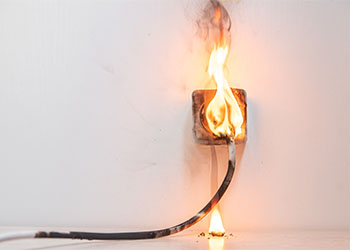 When you bring a product into your home, you expect it to be safe. Unfortunately, not every product functions the way it should. When something causes harm, the question is whether the injury resulted from a manufacturing defect or a design defect. This distinction is the foundation for how your case may move forward.
I’ve spoken with many clients who felt shocked, frustrated, or overwhelmed after being hurt by a defective product. These situations can leave you dealing with painful injuries, mounting medical expenses, and severe disruptions to your daily life. It’s natural to feel uncertain about what comes next, but you don’t have to handle it on your own.
At The Law Office of Dan N. Fiorito III in Seattle, Washington, I help people across Western Washington who dangerous products have harmed. As an experienced product liability attorney, I take the time to uncover whether a manufacturing defect or a design defect is at the heart of the problem. Speak with me today to let me know which category applies to your case.
What Is a Manufacturing Defect?
A manufacturing defect happens when a product isn’t built according to its intended design. In other words, the blueprint may have been safe, but something went wrong during production. These cases often involve isolated mistakes. One batch of products might have been built incorrectly, while others came out as planned.
For example, if a vehicle is supposed to have properly installed brakes but a mistake on the assembly line leads to a missing component, that’s a manufacturing defect. The design wasn’t the problem—the error came from the production stage. As a product liability attorney, I’ve seen these claims hinge on showing that the product you used wasn’t identical to the intended version. Establishing the difference can open the door to holding the manufacturer accountable.
What Is a Design Defect?
A design defect is different because it affects the blueprint itself. If the design of a product is unsafe, then every product built under that plan is dangerous—even if it’s manufactured perfectly.
Consider medical devices designed to cause premature failure, or vehicles with fuel tanks placed in risky positions. Even when each item is built exactly as intended, the problem is embedded in the design.
In these cases, it’s common for multiple people to experience similar injuries. As a product liability attorney, I work to show that safer design options existed and that the company failed to adopt them. That difference can define the case.
Comparing Manufacturing & Design Defects
It’s helpful to highlight the key differences between these two categories:
Source of the issue: Manufacturing defects arise during production, while design defects originate in the blueprint.
Scope: Manufacturing defects usually affect limited batches; design defects affect all products under that design.
Proof required: Manufacturing claims show deviation from the intended plan; design claims show the plan itself was dangerous.
These differences are critical for deciding how to present evidence. Each type of defect requires its own strategy, which is why consulting a product liability attorney is so important.
Examples of Manufacturing Defects
Manufacturing defects can be found in a wide range of products. Some examples include:
Vehicles: Faulty brakes from missing parts, defective airbags, or flawed tires.
Medications: A contaminated batch of prescription drugs that causes harmful reactions.
Electronics: Devices with wiring mistakes that lead to fires.
Toys: Missing safety components in children’s products.
In these situations, the problem often affects only certain batches, which makes it different from a design defect.
When I review a case involving these kinds of issues, I focus on how the product in question differs from others of the same type. That’s usually the first step in showing a manufacturing defect.
Examples of Design Defects
Design defects create broader risks because the danger exists across all versions of the product. Common examples include:
Vehicles: Models that are prone to rolling over because of structural imbalance.
Medical devices: Implants designed with weak points that lead to early failure.
Consumer goods: Power tools lacking adequate safety guards.
Children’s items: Cribs with unsafe spacing that risks entrapment.
Because design defects are part of the blueprint, the issue can lead to widespread recalls or class actions. As a product liability attorney, I’ve seen how important it is to gather evidence that a safer design could’ve been used without reducing the product’s usefulness.
How to Prove a Manufacturing Defect
Manufacturing defect claims rely heavily on evidence showing the product wasn’t built as intended. Important steps often include:
Preserving the product: Keeping the defective item in its original condition.
Documenting records: Saving receipts, serial numbers, or warranties.
Using professional testimony: Having engineers or specialists explain the departure from the intended design.
Comparing products: Showing that the defective one differs from the same product in other batches.
When I build a case like this at The Law Office of Dan N. Fiorito III, I work with clients to make sure we preserve as much physical and documentary evidence as possible. That evidence becomes the foundation of the claim.
How to Prove a Design Defect
Design defect cases are broader because they focus on the safety of the blueprint itself. Proving this type of case may involve:
Presenting safer alternatives: Showing that another design would’ve reduced risk.
Referencing industry standards: Comparing the product to accepted practices at the time.
Examining data: Using studies and testing to highlight the danger.
Showing injury patterns: Demonstrating that many people experienced similar harm.
I’ve helped clients pull together these forms of evidence to demonstrate that the design itself created unreasonable dangers. By showing that a safer design was available, we can build a strong argument for liability.
Why the Distinction Matters
Determining whether your injury resulted from a manufacturing defect or a design defect isn’t just academic. It shapes the strategy for the entire case.
A design defect claim may involve many plaintiffs and lead to a class action, while a manufacturing defect claim may be more individualized. The type of defect also affects how damages are argued and what evidence is most valuable.
Either way, working with a product liability attorney gives you a clear path to identifying the type of defect and building the case around it.
Defenses Manufacturers May Raise
Manufacturers often fight hard to avoid liability. Some common defenses include:
Misuse of the product: Claiming it wasn’t used properly.
Alterations after purchase: Suggesting it was changed after leaving the factory.
Adequate warnings: Arguing that instructions provided were enough.
Industry limits: Claiming safer designs weren’t available at the time.
By anticipating these defenses, I can prepare stronger cases for my clients. It’s about building a response to every possible argument.
Steps to Take After a Product-Related Injury
If you’ve been injured by a product, taking certain steps can help protect your claim:
Seek medical attention: Document injuries immediately.
Preserve the product: Keep it in the condition it was in at the time of the incident.
Collect documentation: Save receipts, packaging, and instructions.
Avoid repairs: Don’t attempt to fix the product.
Contact a lawyer: The sooner you reach out, the stronger your case can be.
When clients follow these steps, it often makes a significant difference in the outcome of a claim.
Compassionate Legal Guidance
If you’ve been harmed by a defective product, figuring out whether it was a manufacturing defect or a design defect is an important step. You don’t have to figure it out on your own. At The Law Office of Dan N. Fiorito III, I represent clients in Seattle, Washington, and across Western Washington, including the Puget Sound Area, Bellevue, Tacoma, and Everett. As a product liability attorney, I’m committed to holding manufacturers accountable when their products cause harm. Reach out to me today to discuss your situation and take the first step toward justice.